

material
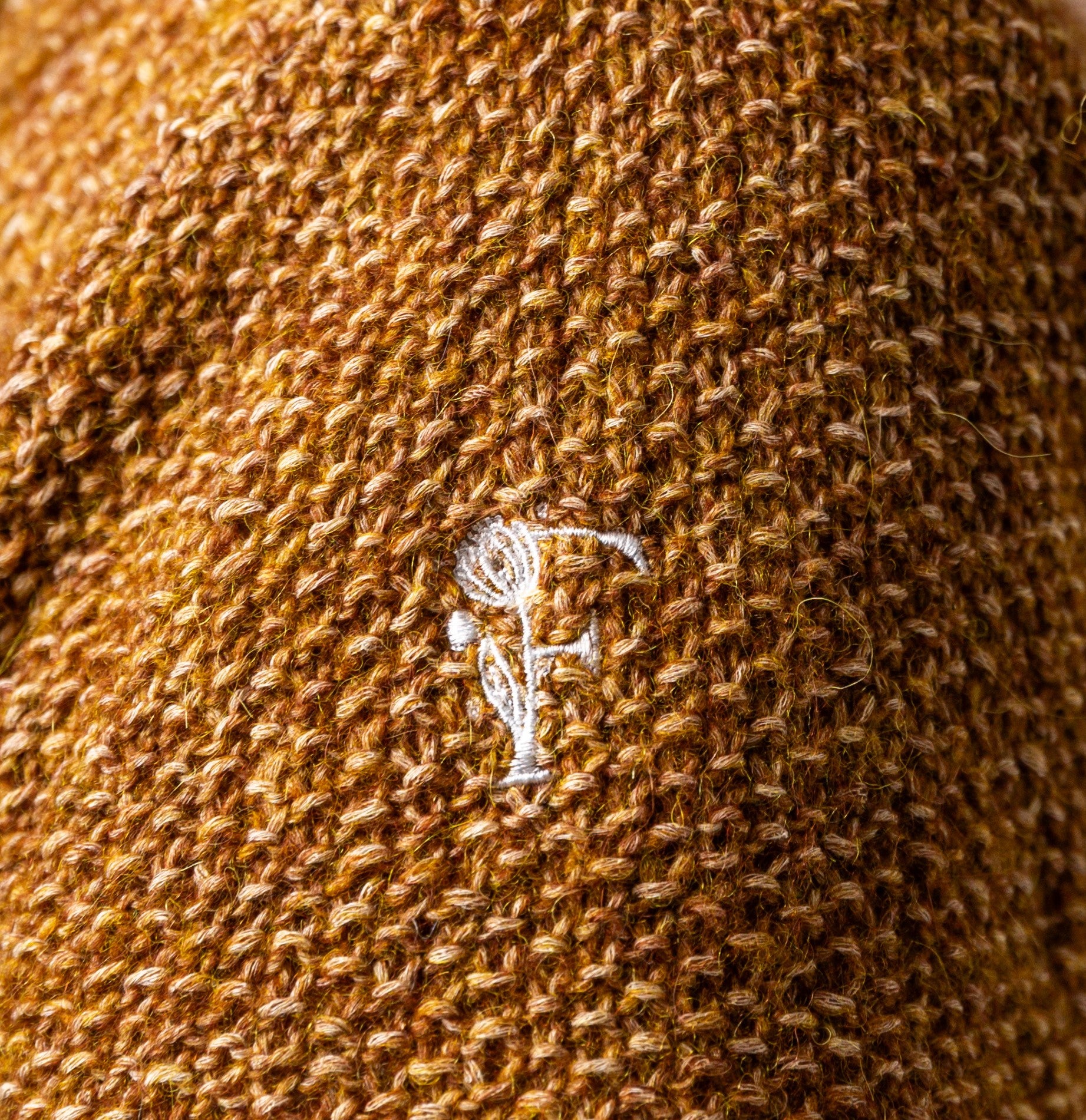
Material selection
Selected natural yarns are used in various forms – from finely spun to corded – to suit the respective design.
The certifications of our materials mean that their origin and composition are traceable at all times. We do not use synthetic admixtures or composite materials. This means that the materials used remain fully biodegradable and can return to natural cycles.
Premium cashmere
Cashmere comes from the fine undercoat of the cashmere goat, which lives in highland regions with large temperature differences. The harsh climate helps the animals develop a particularly fine and warming fiber. The undercoat is gently combed out during the natural shedding process.
The cashmere used by FRAJULE is spun and processed in Italy. It is characterized by its exceptional softness, lightness, and durability.
The fiber provides pleasant warmth without being bulky and feels soft on the skin. Its fine structure gives the pieces clarity, comfort, and a special lightness – qualities that make it an ideal material for garments that will last for many years.
Eri silk
Eri silk is a silk obtained from the cocoons of domesticated silkworms. The cocoons are only collected after the moths have emerged. Since the filaments cannot be reeled off, the fiber is spun.
The fiber has a matte, natural surface with a subtle shimmer. Its feel is more reminiscent of fine linen or soft cotton than classic silk. It feels comfortable on the skin, is antistatic, and is characterized by a particular softness.
Eri silk has temperature-regulating properties: it provides warmth in cooler temperatures and remains comfortable to wear on warmer days. This characteristic makes it a versatile material for projects that span various seasons.
Qiviut
Qiviut is the fine undercoat of the musk ox, which lives in the tundras of Greenland, Canada, and Alaska, and is one of the rarest natural fibers available.
The fiber is exceptionally soft, elastic, and dimensionally stable. In direct comparison with cashmere, qiviut achieves significantly higher thermal performance with less weight and exhibits very high care resistance. It does not shrink and is hardly prone to pilling.
Its airy texture remains light on the body, while the fiber stores heat particularly efficiently. In processing, qiviut allows for dense, precise structures with high durability.
Corozo / Tag nut
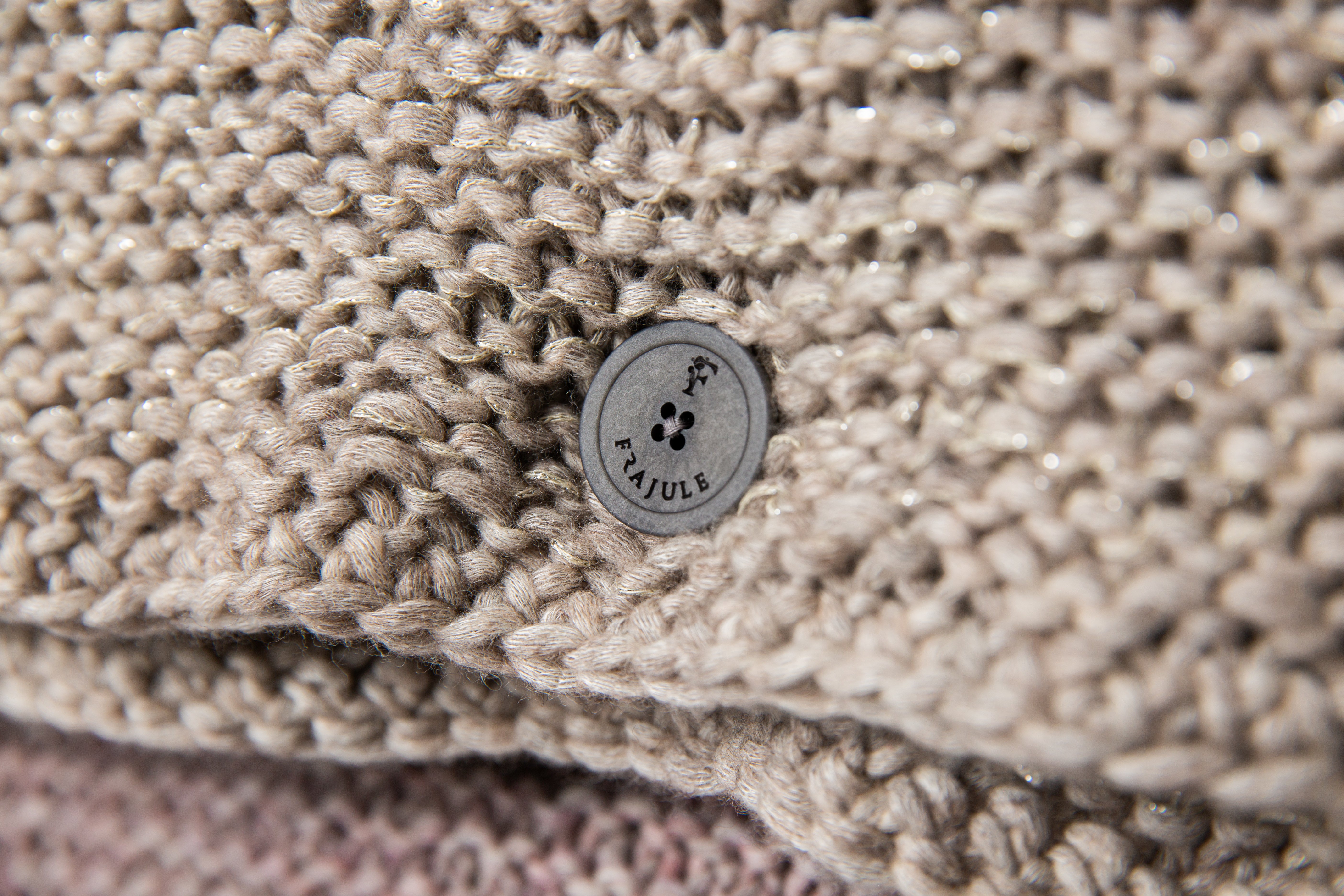
We use buttons made of corozo, also known as tagua nut from tropical palms. This vegetable ivory has a fine, natural grain and a matte, calm surface.
Corozo is dimensionally stable, durable, and biodegradable. Its density allows for precise embossing and clear contours.
As a plant-based material, corozo complements the natural fibers of the work in terms of materiality and durability.
Memories
Every yarn carries stories: of landscapes where animals live, of hands that spin and process, of colors that evoke wind, sea or light. FRAJULE understands material as a living archive.
When you wear a piece, it becomes part of your own mythology – it absorbs paths, encounters and moods and returns to your wardrobe as a familiar companion.
Origin & Responsibility: Our Suppliers
A connection to nature, origin, and longevity characterize every material decision. Few, trusted sources, carefully checked quality, and individual craftsmanship form the basis for knitwear that will accompany you for many years.
Cariaggi
Cariaggi, located in Cagli, Italy, spins some of the finest cashmere yarns in the world, characterized by their unique luminosity. Over 60 years of experience, a focus on lightness, and a consistent understanding of sustainability define this manufacturer.
Biagioli Modesto
Filati Biagioli Modesto, located in Montale near Florence, has been one of the most trusted names for cashmere and natural yarns for decades. The spinning mill combines careful fiber selection, technical expertise, and respect for animals and origin.
MONTELUCE
Monteluce from Japan stands for cotton yarns with an extraordinary feel and appearance that inspire our creativity and enable new knitting ideas. This material complements our Italian suppliers with an innovative texture that we can only find here.
100%
Family Tradition
100%
Materials from certified manufacturers from Italy and Japan
100%
Made in Germany
